
Asbestos was widely used in construction materials throughout much of the twentieth century, prized for its fire resistance, thermal insulation properties, and structural reinforcement capabilities. Its serious health risks have led to strict regulations governing how asbestos-containing materials must be identified, managed, and removed.
For property owners, particularly those managing commercial buildings, understanding these requirements is not optional.
Where Asbestos Hides in Commercial Buildings and Why It Matters
Asbestos can be present in a surprising range of materials found in commercial buildings constructed before the 1990s. Ceiling tiles, floor tiles and their adhesives, pipe insulation, boiler lagging, roofing felts, partition walls, textured coatings, and fireproof boarding are all common sources.
The risk arises when materials are disturbed and fibres become airborne. Undisturbed materials in good condition may not pose an immediate risk, but any renovation or demolition work affecting them must be treated with the utmost care by qualified professionals.
The Obligations of Commercial Asbestos Removal
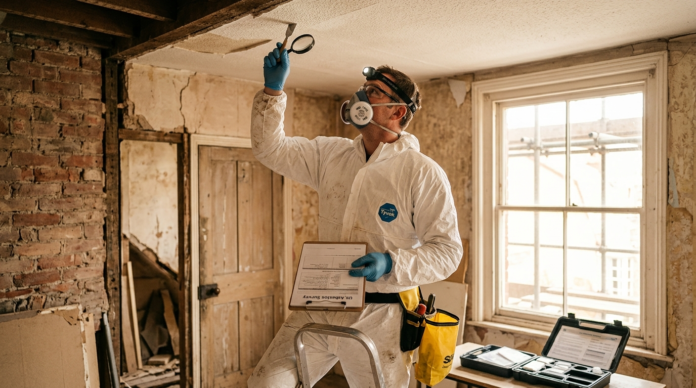
Commercial property owners have a legal duty to manage asbestos-containing materials within their buildings. This typically includes commissioning an asbestos survey to identify the presence and condition of any relevant materials, maintaining an asbestos register, and ensuring that anyone working in the building who might disturb those materials is made aware of their location.
Before any significant renovation or demolition, licensed commercial asbestos removal contractors must be engaged to address affected materials safely and in compliance with current regulations.
The Difference Between Asbestos Management and Full Removal
Not all asbestos-containing materials need to be removed immediately. Where materials are in good condition and not at risk of disturbance, a management plan that involves regular monitoring and condition checks can be a legally compliant and pragmatic approach.
However, when refurbishment or demolition work is planned, or when materials have deteriorated to a point where fibre release becomes likely, full encapsulation or removal by a licensed contractor is required. Understanding which approach applies to your situation requires a professional survey and assessment.
How Licensed Removal Contractors Protect Workers and Occupants
Licensed asbestos removal is a highly controlled process that involves extensive protective measures for workers and occupants alike. The work area is enclosed and placed under negative air pressure to prevent fibres from migrating to adjacent spaces.
Technicians wear full protective equipment and use specialist tools and wetting techniques to minimize fibre release during removal. Waste is double-bagged, clearly labelled, and disposed of at authorized hazardous waste facilities. Air monitoring before, during, and after removal confirms that fibre levels remain within safe limits throughout the process.
Acting Before Problems Escalate into Emergencies
Asbestos-related problems that are identified and addressed proactively are almost always less disruptive and less expensive to resolve than those that become emergency situations. A deteriorating asbestos material discovered during routine maintenance requires a controlled, scheduled removal.
The same material discovered mid-renovation can halt an entire project while emergency remediation is arranged, at dramatically higher cost and with significant schedule disruption. Commissioning an asbestos survey before commencing any significant building work is a straightforward and cost-effective precaution.
Conclusion
Understanding the asbestos risks within your commercial property and fulfilling your legal obligations to manage them is both a regulatory requirement and a genuine responsibility to the people who work in and visit your building.
Working with licensed, experienced professionals ensures that asbestos-containing materials are identified, assessed, and handled in a manner that fully protects health while keeping your project on track.