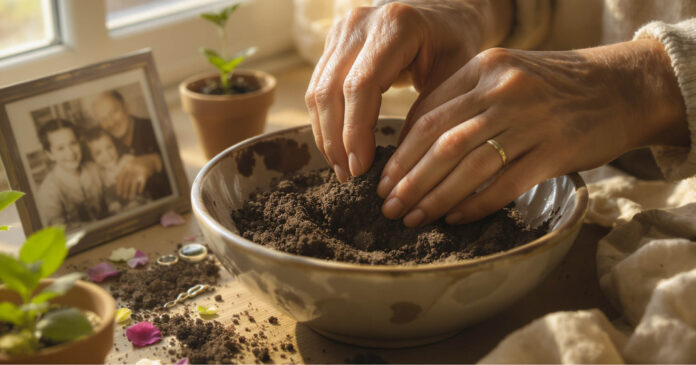

Losing a loved one is one of the most emotional experiences in life, and people often look for meaningful ways to keep their memory alive. In recent years, many families have started exploring more natural and eco-friendly remembrance options. One of these is the use of a soil cremation mixture, which offers a gentle and environmentally conscious way to honor and remember someone special. This method focuses on returning remains to the earth in a respectful way, allowing life to continue in a natural cycle.
Understanding Soil Cremation Mixture
A soil cremation mixture is a specially prepared blend designed to help transform cremated remains into nutrient-rich soil over time. It is often made using natural elements such as organic matter, minerals, and soil-enhancing compounds. The purpose of the soil cremation mixture is to create a supportive environment where ashes can gradually integrate with the earth.
Unlike traditional methods of memorialization, this approach focuses on natural transformation. The mixture helps balance the properties of cremated remains, which are highly alkaline and not immediately suitable for plant growth. By combining them with organic materials, the soil becomes more stable and life-supporting.
How It Supports Natural Remembrance
The idea behind a soil cremation mixture is deeply connected to the cycle of life. When used properly, it allows the remains of a loved one to become part of the soil that can support plants, trees, or gardens. This creates a living memorial that continues to grow over time.
Families often choose this option because it offers a peaceful and ongoing way to remember someone. Instead of a fixed memorial, the memory becomes part of a living landscape. Flowers blooming or trees growing in that soil serve as a constant reminder of love, life, and connection.
Environmental Benefits of Soil Cremation Mixture
One of the most important aspects of using a soil cremation mixture is its eco-friendly nature. Traditional burial and some memorial practices can involve materials and processes that have a long-term environmental impact. In contrast, this method focuses on sustainability.
Because the soil cremation mixture is made from natural and biodegradable components, it supports the earth instead of harming it. Over time, it helps improve soil quality and encourages plant growth. This makes it a thoughtful choice for people who value environmental responsibility and wish to leave a gentle footprint on the planet.
Personal and Meaningful Memorial Options
The use of a soil cremation mixture also allows families to create highly personal memorial spaces. Some choose to plant a tree in memory of their loved one, while others create small garden spaces at home or in designated memorial areas.
These living memorials offer a peaceful place for reflection and remembrance. Visiting a growing tree or a blooming garden can provide comfort and a sense of closeness. It turns remembrance into an ongoing experience rather than a fixed moment in time.
Emotional Healing and Closure
Grief is a deeply personal journey, and finding meaningful ways to process loss is important. A soil cremation mixture can support emotional healing by offering a sense of continuity. Knowing that a loved one’s remains are part of something living can bring comfort and peace.
This approach also helps many people feel more connected to nature. Watching life grow from the soil can symbolize renewal and hope, making it easier to cope with loss over time.
Conclusion
A soil cremation mixture offers a gentle, respectful, and natural way to remember loved ones. By blending cremated remains with organic soil components, it creates a living tribute that supports plant life and environmental balance. More than just a method of remembrance, it becomes a meaningful experience that connects memory, nature, and healing. For many families, this approach provides comfort, sustainability, and a lasting symbol of love that continues to grow with time.