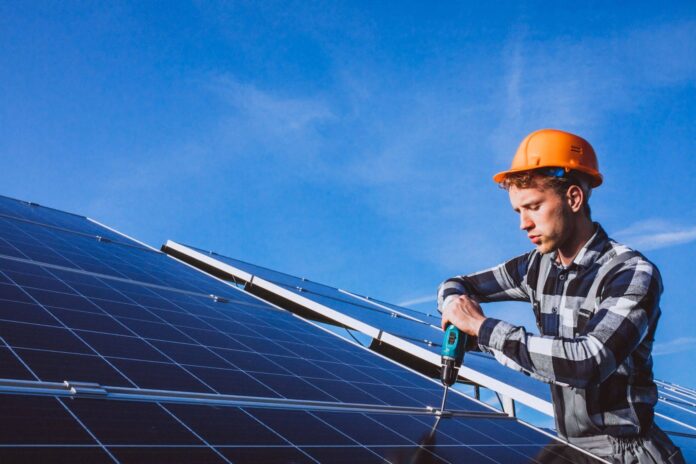

Solar installation is the process of setting up solar panels and equipment to capture sunlight and convert it into usable electricity for a home or business. The key benefits of using solar panels include lower electricity bills, renewable energy, and reduced light pollution over the long run.
Have you been thinking about installing solar panels on your home or commercial space? You are in the right place. This solar installation guide outlines a step-by-step process to help you install your solar system effectively.
Step 1: Assess Your Solar Needs
An effective solar installation begins with assessing your needs. Evaluating your solar needs helps you invest in the right number of solar panels and the required equipment. This is not only an economic measure that can save you money but also saves you time before you begin the installation process.
For example, the solar panel requirements for a single-family home will differ from those for a larger family or a commercial space. Therefore, before you determine exactly what your solar needs are, you may also need professional assistance to assess them.
Step 2: Compare the Contractors and Prices
Once you have successfully assessed your needs, the second and most important factor is choosing a contractor that offers reliable pricing for their services. Choose the contractor with a long history of positive customer reviews.
Remember, don’t hire a contractor who seems economical at first. Instead, choose a contractor who is reliable and offers effective solar installation services with unlimited maintenance. Hiring a contractor who aligns with your budget can be a great decision when choosing professional solar installers.
Step 3: Apply for Permits
The third and most important step is to apply for the permit and prepare your site for installation. Most professional solar installers handle this step, so if you have hired a professional installation company, they will handle the entire process.
They will handle permit applications for your solar installation and prepare your site for efficient setup. They are also familiar with local codes and the permit process. For example, a home solar setup requires a building permit and an interconnection permit.
Step 4: Equipment Delivery and Installation Setup
Once you receive approval from the local regulatory bodies, the next step is to have the equipment delivered to your site and the solar installation completed. Most home solar installations are completed within two to three days, whereas commercial installations may take five to seven days, depending on the specific solar panel requirements.
Hiring a professional solar installer enables the homeowner or commercial property owner to get efficient installations without any delay.
Step 5: Final Approval and System Activation
This is the final step of your solar installation process. Once you have completed the installation, the last step is to have it verified for compliance with local regulations. Obtaining final approval from the local authority will ensure that your system adheres to safety protocols and is safe to use in residential or commercial settings.
Remember, always hire professional solar installers who can complete your solar installation without any hassles. These professionals undergo training and earn certification to perform solar installations.