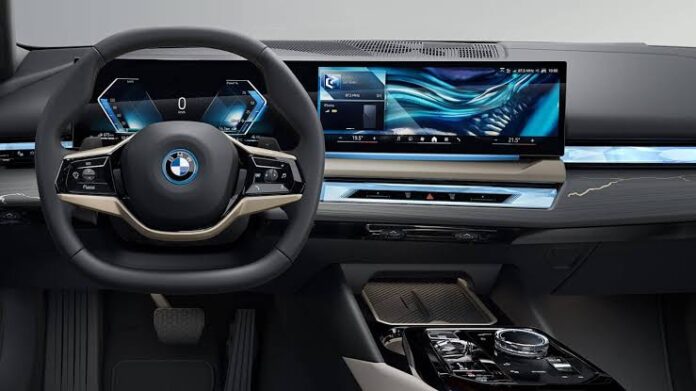

Modern vehicles offer much more than comfortable seats and powerful engines. Drivers now expect advanced technology that keeps them connected, informed, and entertained throughout every journey.
A well-designed Infotainment system combines navigation, music, hands-free communication, smartphone integration, and vehicle settings into one convenient interface. Choosing the right one can improve every drive, whether you commute daily or enjoy long road trips.
The following 5 tips highlight the most important qualities to consider before making your decision.
Choose a System with Easy-to-Use Features
Technology should make driving simpler, not more complicated. The first thing to evaluate is how easy the interface of infotainment is to understand and operate. A clear display, responsive touchscreen, and well-organized menus allow drivers to access important functions without unnecessary distractions.
Large icons and readable text improve visibility during both daytime and nighttime driving. Drivers should be able to switch between navigation, music, phone calls, and vehicle settings with only a few taps.
Voice control has become another valuable feature. Instead of touching the screen while driving, users can give simple voice commands to change songs, start navigation, or place phone calls. This creates a safer driving experience because attention stays focused on the road.
Check Smartphone Compatibility
Most drivers rely on their smartphones during travel. A dependable system should connect seamlessly with today’s mobile devices and allow quick access to essential applications.
Wireless connectivity has become increasingly popular because it eliminates unnecessary cables inside the vehicle. Bluetooth pairing should happen quickly and remain stable throughout the journey without frequent disconnections.
Support for smartphone integration platforms allows drivers to access navigation apps, music streaming services, podcasts, text messaging, and hands-free calling through the vehicle’s display.
Focus on Audio Quality
Entertainment and navigation are among the most frequently used features inside modern vehicles. Their quality has a direct impact on driver satisfaction. Clear, balanced sound transforms every journey into a more enjoyable experience.
Whether listening to music, podcasts, audiobooks, or phone conversations, high-quality speakers produce crisp vocals and rich sound across different volume levels. Equalizer controls allow users to adjust bass and balance according to personal preferences.
Navigation should also perform accurately and efficiently. A dependable system calculates routes quickly, updates traffic information when available, and provides easy-to-follow voice guidance.
Look for Regular Software Updates and Security
Technology evolves rapidly, making software support an essential factor when selecting a dependable system. Manufacturers that provide frequent updates help maintain long-term performance and compatibility.
Software updates improve system stability, fix technical issues, enhance user experience, and introduce useful new features. Regular improvements keep the technology current without requiring hardware replacement.
Compare Reliability and Customer Support
Performance during the first few weeks tells only part of the story. Long-term reliability ultimately determines whether the investment proves worthwhile.
Researching owner experiences provides valuable insight into durability. Consistent reports of stable performance, minimal technical issues, and dependable hardware indicate strong product quality.
Responsive customer support also matters. Technical questions, software concerns, or warranty claims should receive prompt and professional attention. Helpful service teams reduce stress whenever assistance becomes necessary.