
Key Takeaways
- A healthy lawn starts with understanding soil nutrients and regular soil testing.
- Choosing organic or slow-release fertilizers supports long-term soil and grass health.
- Proper timing and safe application are essential to avoid damage and runoff.
- Organic lawn care practices improve sustainability and reduce chemical use.
- Local regulations should be followed to protect the environment.
- Professional services like Greener Lawns Co. can provide expert, eco-friendly lawn care solutions.
Maintaining a lush, green lawn in Northern New Jersey requires understanding your grass’s specific nutrient needs and adopting environmentally friendly practices. For homeowners seeking expert guidance, Greener Lawns Co. offers organic lawn fertilization services in Northern New Jersey. As a family-owned company based in Millington, NJ, Greener Lawns Co. has been dedicated to providing safe, organic lawn care solutions since 2001. Their commitment to environmentally friendly practices and extensive knowledge of local soil conditions make them a trusted authority in the region.
Understanding Your Lawn’s Nutrient Needs
A healthy lawn begins with recognizing its specific nutrient requirements. Grasses primarily need nitrogen, phosphorus, and potassium. Nitrogen promotes vibrant leaf growth, phosphorus supports root development, and potassium enhances overall health and disease resistance. Conducting a soil test can reveal which nutrients your lawn lacks, allowing for a tailored fertilization plan. In addition to the primary macronutrients, lawns also benefit from secondary nutrients such as calcium, magnesium, and sulfur. These elements help to maintain soil pH, increase chlorophyll production, and boost the grass’s tolerance to stress and disease. Micronutrients like iron, manganese, and zinc, though required in smaller quantities, are equally important for optimal grass growth and vibrant coloration. Regular soil testing every two to three years ensures that your fertilization plan continues to meet the changing needs of your lawn, especially as environmental factors and lawn use patterns shift over time.
Choosing the Right Fertilizer
Fertilizers come in various forms, each with its own benefits. Slow-release fertilizers provide nutrients over time, reducing the risk of over-fertilization and promoting steady growth. Organic options, such as compost or manure, improve soil structure and microbial activity. Selecting the appropriate fertilizer ensures your lawn receives balanced nutrition without harming the environment. Synthetic fertilizers can quickly address nutrient deficiencies, but may contribute to runoff if misapplied. For sustainable lawn care, consider natural alternatives such as seaweed extracts, fish emulsions, or biochar, all of which nourish your grass and stimulate biological activity in the soil. Some homeowners adopt a hybrid approach, combining organic and conventional fertilizers to balance quick results with long-term soil health. The right choice depends on your lawn’s specific needs and your environmental priorities.
Timing Your Fertilization
Applying fertilizer at the right time is crucial. For cool-season grasses like Kentucky bluegrass or fescue, fertilize in early fall and late spring. Warm-season grasses, such as Bermuda or zoysia, benefit from fertilization in late spring through summer. Avoid fertilizing during droughts or extreme heat to prevent stress on the grass. Weather conditions are an essential consideration. If rain is forecast, it can help wash granular fertilizers into the soil, but too much rain can cause nutrient runoff and waste. Consider splitting applications, especially for nitrogen, to minimize leaching and sustain growth. Mark your calendar with optimal fertilization dates in your region and adjust according to changing weather patterns for best results. This careful timing enhances grass vigor, helps prevent weed encroachment, and ensures your lawn remains healthy year-round.
Applying Fertilizer Safely
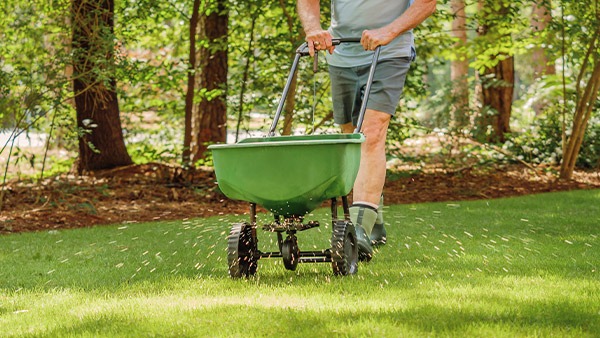
Proper application techniques prevent nutrient runoff and protect local waterways. Use a calibrated spreader to ensure even distribution, and avoid fertilizing before heavy rain. Always follow the manufacturer’s instructions regarding application rates and methods. Over-fertilization can lead to rapid growth, making lawns more susceptible to pests and diseases. Be mindful of buffer zones around driveways, sidewalks, and water features; avoid spilling fertilizer onto hard surfaces, as it can easily run off into storm drains. After application, sweep any stray granules back into the lawn. Wearing gloves and eye protection is also advisable when handling lawn treatments, especially if you have sensitive skin or allergies. Proper storage of leftover fertilizers in sealed containers, away from moisture and children, helps prevent accidental exposure and ensures your lawn care products remain effective for future use.
Incorporating Organic Lawn Care Practices
Integrating organic practices enhances lawn health and reduces reliance on chemicals. Regular aeration improves soil structure, allowing roots to access nutrients and water more effectively. Overseeding with resilient grass varieties fills in bare spots, reducing weed invasion. Maintaining proper mowing heights and infrequent, deep watering encourages strong root systems. Mulching grass clippings is another organic method to recycle nutrients back into your lawn. This practice not only returns nitrogen to the soil but also helps maintain soil moisture and suppresses weed growth. Alternatively, incorporating companion planting around borders with clover or wildflowers can help fix atmospheric nitrogen, improve soil health, and provide valuable habitat for pollinators. Compost teas are gaining popularity as an organic liquid feeding option that delivers beneficial microbes and nutrients.
Understanding Local Fertilizer Regulations
Many regions have laws governing fertilizer use to protect the environment. For instance, New Jersey has regulations aimed at reducing nutrient runoff into local waterways. Familiarize yourself with local regulations to ensure compliance and promote sustainable lawn care practices. Regulatory compliance also means paying attention to your community’s guidelines about phosphorus-containing fertilizers, which are often restricted except when a soil test verifies deficiency. Statewide rules may also limit fertilizer applications during certain months to minimize winter and early spring runoff. Before purchasing fertilizers, consult local extension offices or municipal codes to avoid penalties and stay eco-friendly in your lawn care approach.
Monitoring and Adjusting Your Lawn Care Routine
Regularly assess your lawn’s health and adjust your care routine accordingly. Look for signs of nutrient deficiencies, such as yellowing or thinning grass, and respond promptly. Staying attentive ensures your lawn remains resilient and beautiful throughout the seasons. Consider starting a lawn care journal to document application dates, weather conditions, and any noticeable changes in your grass. This historical record helps pinpoint successful techniques and areas needing improvement. Seasonal notes on soil compaction, pest activity, or new weed species can guide long-term improvements and support communication with professional lawn care providers. Monitoring also includes checking the efficiency of your irrigation system and making necessary adjustments, as improper watering can undermine even the best fertilization practices. By understanding your lawn’s needs, choosing appropriate fertilizers, and adopting safe practices, you can cultivate a thriving lawn that enhances your home’s curb appeal while protecting the environment.
Conclusion
Maintaining a healthy lawn in Northern New Jersey requires a balanced approach that combines proper fertilization, careful timing, and environmentally responsible practices. By understanding your soil’s nutrient needs and choosing suitable organic or slow-release fertilizers, you can promote strong, sustainable grass growth throughout the seasons. Safe application methods and awareness of local regulations further help protect both your lawn and the surrounding environment. Incorporating organic care practices such as aeration, overseeding, and proper mowing strengthens soil health and reduces reliance on chemicals. For homeowners seeking expert support, professional services like Greener Lawns Co. offer tailored, eco-friendly solutions tailored to local conditions. With consistent care and the right guidance, you can achieve a greener, healthier, and more resilient lawn year-round.